
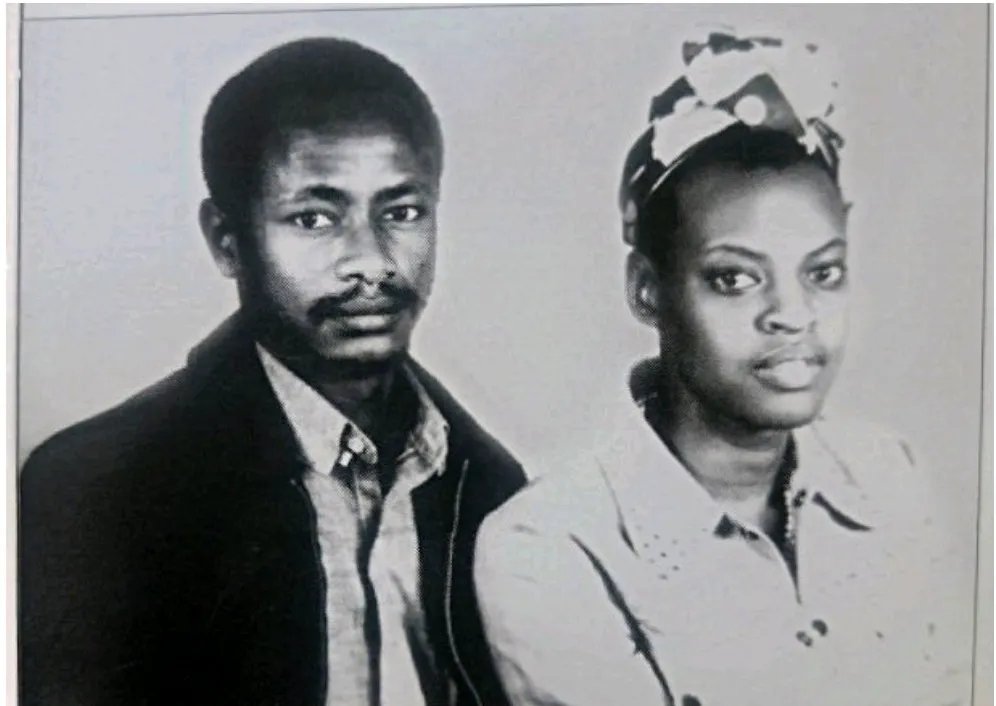
Long before the title “Your Excellency” echoed in the halls of power, Yoweri Kaguta Museveni and Janet Kainembabazi Kataaha shared a great story filled with love, emotions, patience, sacrifices and hope. On a lighter note, the couple hails from Ntungamo District in Western Uganda, though they now reside in Rwakitura. Interestingly, during their childhood, both of them attended Kyaamate Girls’ School. At the time, Yoweri Kaguta Museveni was three classes ahead of Janet, a small detail that later became part of their shared story.
In her book, “My Life’s Journey”, Janet Kataaha Museveni describes Yoweri Kaguta Museveni as a remarkably unique child humorous, intelligent, and speaking with a maturity far beyond his age. She also recounts one of Museveni’s earliest memories of their interactions, the day they met on their way home from school. The two played together along the path until the road eventually split, each heading towards their separate homes.
Another childhood memory Museveni shares is dates back to 1955, when he was sent to deliver a pot of milk to Janet’s home as a gesture of condolence following the death of her father. Upon arrival, he found Janet’s mother in the compound speaking with another woman, she directed him to take the milk inside the house. Spotting a familiar lady named Safila on the other side of the homestead, Museveni attempted to find his way to her by making several rounds in search of the entrance. After failing to locate the right path, he gave up, sat in the banana plantation, drank some of the milk, poured out the remainder, and quietly returned home.
The two met once more in 1969 at Entebbe International Airport, where Janet was working as a receptionist. Yoweri Kaguta Museveni had just returned from North Korea, and upon spotting a familiar face, he immediately approached her desk. They shared warm greetings and engaged in a brief conversation, rekindling a connection from their childhood, before Museveni continued on his journey.
They again crossed paths in Nairobi in 1972 during a family outing with Mr. John Kazoora and Gwennie, as John was planning to relocate to England due to the growing instabilities in Uganda that had followed them to Kenya. Museveni, traveling with a considerable amount of luggage, was visibly excited to reunite with his village mates. He exchanged contacts with John and promised to keep in touch. Their meetings became more frequent in 1973, often at Janet’s residence in Lavington, as Museveni passed through Nairobi on his way to Tanzania.
Janet cherished Museveni’s visits and looked forward to his stories always lively, humorous, and comforting. His presence offered her a sense of relief from the hardships she had endured, including personal losses and the instability that had marked Uganda’s political landscape. Over time, their friendship matured into a deep and enduring relationship. In her book, she describes Museveni as a gift sent from God, a source of strength who restored her hope when her future felt uncertain and her family life had been shaken by tragedy.
Museveni gradually became central to her world, and she found in him the family she had lost. Despite the scarcity of landline telephones and the difficulty of making calls in those days, they remained in constant contact. Their conversations often filled with encouragement, shared dreams, and plans for the future strengthened their bond. Museveni frequently spoke about marriage and the life they could build together, and these exchanges deepened their commitment, setting the foundation for the family they would eventually create.
Their closeness later led Janet to travel to Tanzania so she could better understand the work Museveni was involved in. During her visit, she was introduced to Tanzania’s cultural heritage and gained deeper insight into his daily activities and the life he lived there. After her stay, Museveni offered to escort her back to Nairobi, and during this journey, they had a heartfelt conversation about their future together. While Museveni spoke broadly about life, Janet’s mind was fixed on one thing, the hope that they would eventually get married.
As their relationship grew stronger, Janet took an interest in Museveni’s wardrobe, helping him choose clothes that suited his work and lifestyle. Museveni appreciated her effort and would gladly send her money to buy him clothes. It was during this period that Museveni formally proposed marriage, a commitment that Janet accepted. The proposal revived her sense of purpose and allowed her to begin rebuilding her life with renewed hope.
Seeking to honor tradition, Janet consulted her uncle, John Kazoora, who approved and expressed strong support for the union. With his approval, wedding plans began to unfold, and it was decided that the ceremony would take place in England, where Kazoora was then settling. However, when Museveni arrived for the wedding, he initially faced difficulty gaining entry into the country. The situation shifted only after a priest counselor affirmed that Janet had undergone marriage counseling. This confirmation satisfied immigration officers, allowing Museveni to enter and the wedding preparations to move forward as planned.
On a beautiful day 24th August,1973 Janet walked down the aisle at Turnham Green Church, escorted by her uncle, Mr. Kazoora. There, she exchanged vows with Yoweri Kaguta Museveni, and the two were officially declared husband and wife. The ceremony was followed by a small, intimate reception with close friends and relatives at the Kensington Hilton in London. Janet attributes the strength of their marriage to God’s protection, through the many challenges they endured during their years in exile and up to the time she eventually returned to Uganda. Through their journey together, they were blessed with four children